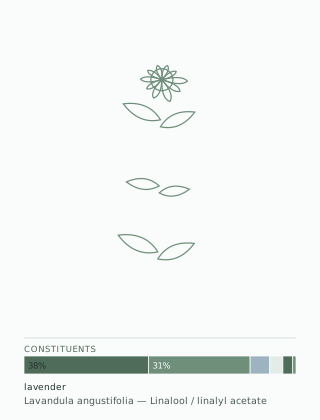
Lavandula angustifolia
True lavender
- Linalool / linalyl acetate
The most-sold essential oil in the world and the one most often used undiluted. True lavender has a camphor content of about 1% and a linalyl…
By botanical part
6 published monographs fall under this facet. A facet here is not a taxonomy label but a safety clue: plants in the same family often share cross-reactivity risk, and the same botanical part often shares extraction and oxidation behaviour.
True lavender
The most-sold essential oil in the world and the one most often used undiluted. True lavender has a camphor content of about 1% and a linalyl…
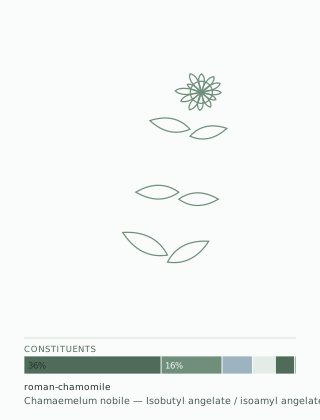
Roman chamomile
The gentlest reputation on this site, and the highest price per millilitre. Roman chamomile is an ester oil — 52% angelate esters by the profile…
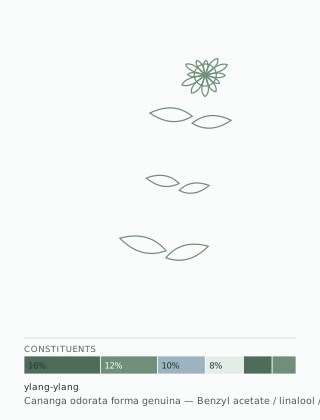
Ylang-ylang (III)
Ylang-ylang is the only oil on this site sold by grade rather than by species, because it is a fractional distillate: the first fraction is grade…
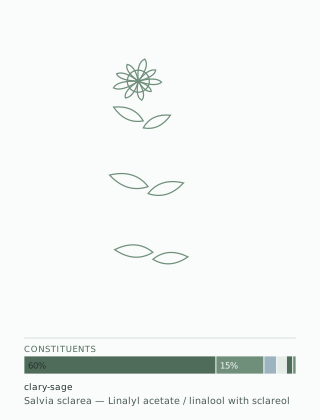
Clary sage
Clary sage is 60% linalyl acetate — the highest ester content on this site — and it is the only oil here with a documented interaction with…
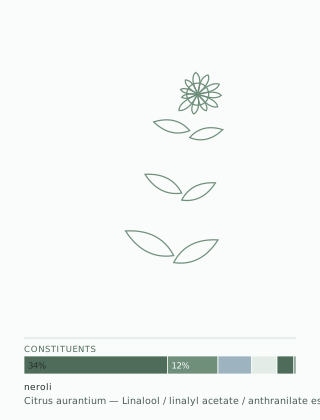
Neroli
Neroli is the flower of the bitter orange tree, and it is the only oil on this site that is both high in linalool and genuinely expensive — a…
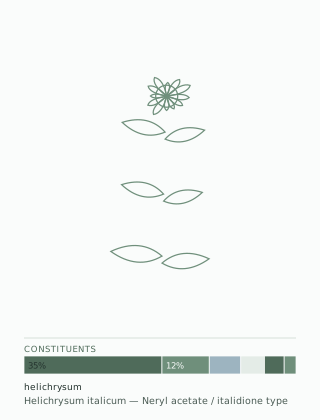
Helichrysum (immortelle)
Helichrysum is the most expensive oil in common aromatherapy use after rose, and it is sold on claims about bruising and skin repair that no…